
At 7:40 a.m., the owner emails asking why RevPAR (revenue per available room) dipped last week. At 8:15, two housekeepers call out. By 9:00, a wedding planner wants a revised banquet event order (BEO), a linen vendor wants a signed renewal and a one-star Google review mentions a billing error. The general manager (GM) hasn't walked the lobby yet.
Most hotel GMs know the floor is where they add value: with guests, with department heads and with the team. The inbox keeps pulling them back to the office. An executive hospitality virtual assistant for hotels takes that office work off the GM's desk, so the GM can lead the property.
Quick answer: A hotel general manager can hand a remote executive assistant (EA) owner report preparation, STR benchmark formatting, inbox and calendar management, guest review reply drafts, group request for proposal (RFP) logging, BEO drafts, vendor renewals and hiring admin. The GM keeps pricing, on-property guest recovery, staff decisions and every final approval.
This guide shows:
- What to hand off and what to keep. A clear split between EA work and GM work.
- How to start. A delegation audit, the right system access and guest data protection.
- How it runs. A 30-day handover plan, an illustrative week, the cost and the ROI measures.

Why Hotel General Managers Face More Admin in 2026
Rising costs push owners to demand tighter reporting, and tighter reporting lands on the GM's desk. That chain turns EA support from a nice-to-have into a necessity.
What the AHLA survey shows
The American Hotel & Lodging Association (AHLA) ran its Front Desk Feedback survey with 246 hoteliers in late February 2026. It found:
- Supply costs top the list. 71% name the cost of goods and supplies as a top financial pressure. For the GM, that means more vendor quotes, renewals and credit claims to chase.
- Labor costs follow close behind. 65% cite labor costs, and 70% now offer higher wages to attract workers. Every hire costs more, so every hiring step needs tighter tracking.
- Staffing gaps persist. More than half of respondents say their properties run somewhat or severely understaffed. GMs cover shifts on the floor and then catch up on email at night.
Rosanna Maietta, president and CEO of AHLA, summed it up: "Hoteliers are resilient, but the cost pressures they're facing are very real. From rising insurance and energy expenses to workforce shortages, hotels are navigating significant operational challenges."
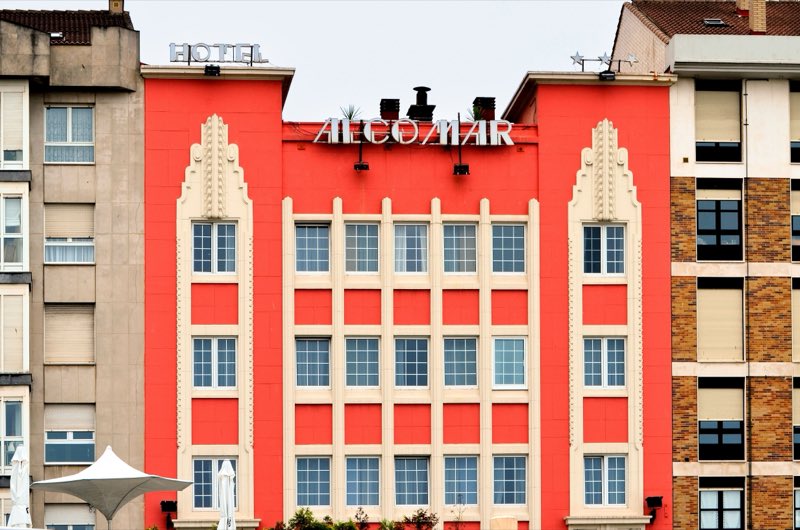
What the 2026 forecast shows
The top line looks better. At the 2026 Hotel Data Conference, CoStar and Tourism Economics upgraded their US hotel forecast. They lifted projected occupancy to 63.1% and forecast a 4% rise in GOPPAR (gross operating profit per available room). STR president Amanda Hite flagged the catch: "Rising expenses continue to be worrisome, increasing by more than the rate of inflation in both 2026 and 2027."
What this means for the GM
When revenue grows but expenses grow faster, owners and asset managers watch flow-through and GOPPAR every week. Each tighter report means more owner questions, more vendor negotiations, more hiring and more reviews to answer. A remote EA keeps that admin moving while the GM leads the shift.
What a Hotel GM Can Delegate to a Remote EA
Most GM admin falls into eight areas. The table shows what the EA takes over and what the GM keeps.
| Area | Your EA handles | You keep |
|---|---|---|
| Inbox and calendar | Sorts email, drafts routine replies, books meetings with owners, brand representatives and department heads, protects walk-through time | Sensitive replies and final calendar priorities |
| Owner and management reporting | Pulls figures from the property management system (PMS), point of sale (POS) and accounting system into the weekly flash and monthly owner report, formats STR benchmarks | The commentary, the forecast and every number you sign |
| Guest reviews | Drafts replies to Google, Tripadvisor and online travel agency (OTA) reviews in your brand voice, logs repeat complaints | Sensitive replies, service recovery and compensation |
| Group sales and events | Logs RFPs, drafts proposals, chases contracts and deposits, drafts BEOs | Rates, concessions and contract terms |
| Vendors and contracts | Requests quotes, compares pricing, tracks renewal dates and deliveries | Supplier choice and signatures |
| Hiring and staff admin | Posts job ads, screens applications against your criteria, books interviews, sends offer paperwork | Hiring decisions, discipline and terminations |
| Travel and brand visits | Plans multi-property travel, prepares agendas for owner meetings and brand audits | Your priorities for each visit |
| Projects and capital expenditure (capex) | Tracks property improvement plan (PIP) items, contractor schedules and quotes in one tracker | Scope and budget approvals |
The rule behind the table: the EA prepares, tracks and follows up, and the GM decides. Guests never deal with your EA. Your front desk, reservations and housekeeping teams run the guest experience, and your EA runs the GM's office.
Hotel Tasks a GM Should Never Delegate

Some work belongs to the GM alone. Keep these items off the EA's list:
- Floor presence and walk-throughs. Lobby walks, pre-shift meetings and daily rounds with housekeeping and engineering.
- In-person service recovery. An upset guest at the front desk wants the manager, not an email.
- Revenue strategy and pricing. Your EA formats the STR report and the pickup report. You and your revenue manager set the rates.
- People decisions. Hiring, discipline, terminations and performance reviews stay with you and your human resources (HR) team.
- Safety, security and incidents. Guest safety, police matters, insurance claims and legal exposure start and end with you.
- Owner relationship moments. Your EA builds the owner report. You walk the owner through it.
Write this list down on Day 1 and share it with your department heads, so everyone knows where each request goes.
How to Run a Delegation Audit Before You Hire

Before you hire anyone, find out where your time goes. A two-week audit takes about ten minutes a day.
Step 1: Log your time for two weeks
Write down every task longer than ten minutes, with the time spent. Include the evening email catch-up, because admin hides there.
Step 2: Sort every task into four buckets
- Only I can do it. Guest recovery, staff coaching and owner conversations.
- Someone else can prepare it. Owner reports, review drafts and RFP proposals.
- Someone else can run it end to end. Scheduling, vendor follow-ups and job postings.
- Nobody needs to do it. Duplicate reports and meetings without decisions.
Step 3: Total the middle two buckets
That total becomes your EA's starting workload.
Step 4: Rank tasks by pain
Start with the task that costs you the most evenings. For many GMs, that means the owner report or the review queue.
Turn the audit into your EA's first task list. Our guide to building a weekly management rhythm with your virtual executive assistant shows how to turn that list into a routine.
How a Remote EA Prepares Owner Reports and STR Benchmarks

Owner reporting eats more GM time than almost anything else, and it follows the same pattern every week and every month. That repetition makes it ideal to delegate.
The weekly flash report
Each Monday, your EA pulls last week's occupancy, average daily rate (ADR), RevPAR, food and beverage (F&B) revenue and 30-day pickup from the PMS and POS. The EA drops the figures into your template, compares them against budget and last year, highlights anything outside your thresholds and sends you a draft by 9 a.m. You add two lines of commentary and send it to the owner or asset manager.
STR benchmark formatting
STR, CoStar's hotel benchmarking service, sends your weekly comp set report. Your EA extracts the occupancy, ADR and RevPAR index and adds them to the flash report. The EA never changes your comp set or your rate strategy.
The monthly owner pack
At month-end, your EA collects the profit and loss (P&L) statement from your accountant or management company, labor reports from your scheduling system and capex updates from engineering. The EA builds the pack from a fixed template, chases late inputs from department heads and sends you a complete draft three days before the owner meeting.
GOPPAR and flow-through lines
With expenses rising faster than inflation, owners now ask about profit as often as revenue. Your EA adds GOPPAR and flow-through lines to the template, so you answer the question before the owner asks it.
For deeper finance support, read what an executive bookkeeping virtual assistant does and when to hire one.
How a Remote EA Manages Guest Reviews Without Hurting Ratings
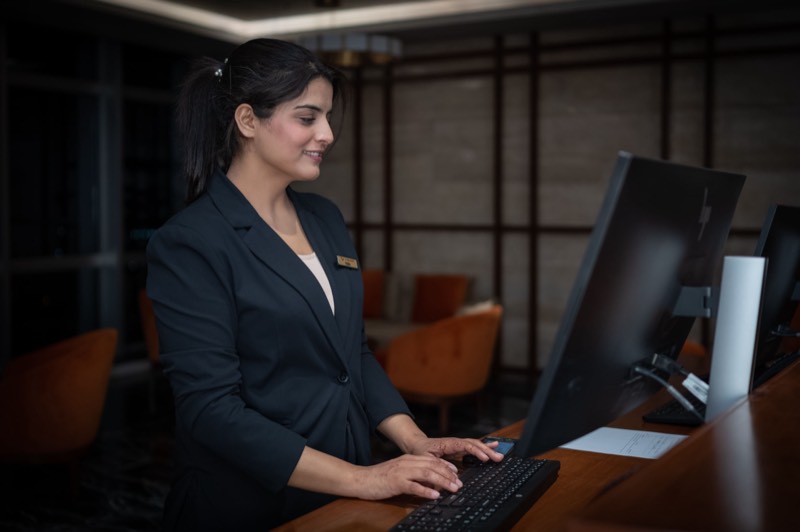
Reviews move revenue, and the research gives your EA clear rules to follow.
What the Cornell research shows
A Cornell School of Hotel Administration study by Chris Anderson found that a 1-point increase in a hotel's 100-point Global Review Index led to up to a 0.89% increase in ADR, a 0.54% increase in occupancy and a 1.42% increase in RevPAR. Anderson noted that a positive reputation "is correlated to higher group booking rates and corporate negotiated rates in addition to reservations made over the phone."
More replies don't always help, though. In a later Cornell study, Anderson and Saram Han found that revenue rises with management responses only up to about a 40% response rate. Anderson warned: "It turns out that making too many responses is worse than offering no response at all, in terms of both ratings and revenue. So, managers should focus on making constructive responses to negative reviews rather than simply acknowledging positive comments."
The review workflow your EA follows
- Daily channel checks. Your EA monitors Google, Tripadvisor, Booking.com, Expedia and your brand's guest survey platform every day.
- Negative reviews first. Your EA drafts a specific, constructive reply for every review of three stars or lower within 24 hours.
- Selective positive replies. Your EA answers detailed positive reviews that name staff or a specific experience, and skips copy-and-paste thank-you notes.
- Sensitive reviews escalated. Anything about safety, discrimination, billing disputes, injuries or a named employee goes to you before any reply goes out.
- Weekly complaint patterns. Your EA sends you the top three repeat complaints, with dates and room numbers. You fix the cause, and the reviews improve on their own.
Your EA writes from a one-page brand voice guide that covers tone, sign-off, phrases to use and phrases to avoid. You approve every reply for the first two weeks, then spot-check.
How an EA Supports Group Sales, Events and BEOs
Group and event business carries heavy admin. In many select-service and boutique hotels, the GM also runs sales. A remote EA turns that admin into a clean pipeline.
RFP logging and proposal drafts
Your EA logs every incoming RFP from email, your website and platforms such as Cvent, with dates, room block, meeting space needs and the decision deadline, so you see the full pipeline in one sheet. Your EA then builds the first proposal draft from your templates, with the rates and concessions you set. You review, adjust and send.
Contract and deposit follow-up
Your EA tracks signed and unsigned contracts, chases deposits on the dates in each agreement and flags attrition and cutoff dates before they pass.
BEO drafts and rooming lists
For weddings, meetings and banquets, your EA drafts the BEO from the planner's emails and your menus. Your events or F&B lead reviews it before it reaches the kitchen. Your EA also collects rooming lists from planners and checks them against the block. The front office enters any changes in the PMS.
Planners get faster replies, deposits arrive on time and the GM spends sales time on site tours and relationships.
How an EA Cuts Hiring and Staff Admin for Understaffed Hotels
With more than half of hotels short-staffed and 70% raising wages, hiring never stops, and the admin around it fills the GM's week. Your EA runs the process from posting to first day.
Job postings and screening
- Job posting management. Your EA writes and posts openings on Indeed, local job boards and hospitality school career pages from your approved templates, then refreshes them every two weeks.
- Application screening. Your EA screens applications against your criteria, such as availability, experience and languages, and sends you a shortlist each morning.
Interviews, offers and onboarding
- Interview scheduling. Your EA books interviews around your department heads' shifts and sends candidates reminders, which cuts no-shows.
- Offer and onboarding paperwork. Your EA prepares offer letters from HR templates, sends onboarding packets, tracks returned documents and books orientation. Your HR team or GM handles in-person identity checks and employment verification.
Schedules and overtime
- Schedule and overtime tracking. Your EA updates staff schedules in tools such as 7shifts or HotSchedules from your department managers' input, and flags overtime risk before payroll closes.
For team-wide admin across departments, a virtual administrative assistant for hotel teams can work alongside your EA.
How an EA Controls Vendors, Contracts and Capex Quotes
With 71% of hoteliers naming the cost of goods and supplies as a top pressure, vendor management pays for itself.
- Quote comparisons. Your EA requests quotes for linen, F&B, chemicals, waste and maintenance, and compares them line by line.
- Renewal calendar control. Your EA tracks every contract end date, so no contract renews at the old rate without your approval.
- Delivery and credit follow-ups. Your EA chases late deliveries and claims credits for short or damaged orders.
- Capex and PIP quote tracking. Your EA keeps every capex and PIP quote in one tracker, ready for owner approval.
See how supplier and expense management with a virtual assistant works step by step.
Hotel Systems Your EA Needs Access To
Give your EA the access the role needs and nothing more. Most hotels set up the following:
| System | Common examples | EA access level |
|---|---|---|
| Email and calendar | Microsoft 365, Google Workspace | Full, on a hotel email address |
| Property management system (PMS) | Oracle OPERA Cloud, Mews, Cloudbeds | Reports only, no rate or folio changes |
| Point of sale (POS) | Oracle Simphony, Toast | Reports only |
| Accounting | M3, QuickBooks, Sage Intacct | View only |
| Benchmarking | STR reports from CoStar | Report download |
| Sales and catering | Delphi, Tripleseat, Cvent | Create and update leads, no rate approval |
| Reviews | Google Business Profile, Tripadvisor Management Center | Drafts or replies under your rules |
| Staff scheduling | 7shifts, HotSchedules | Schedule updates from manager input |
| Signatures | DocuSign | Sends for signature, never signs |
A strong EA learns your stack in the first week. Ask candidates which of these systems they've used, and test one with a real task during interviews.
How to Protect Guest and Payment Data With a Remote EA
Hotels hold card data, passports and guest preferences. Your EA never needs full card numbers, and your setup should make that impossible.
- PCI DSS compliance. The Payment Card Industry Data Security Standard (PCI DSS), maintained by the PCI Security Standards Council, sets the rules for anyone who handles cardholder data. Keep your EA out of card data completely: no card numbers in email, no access to payment screens and no phone payments.
- Role-based system access. Give the EA report-only access in the PMS and POS, and remove rights to edit folios, rates or guest profiles.
- Account security basics. Use a hotel email address, single sign-on (SSO) where your systems support it, a password manager and two-factor authentication on every account.
- Signed confidentiality agreements. Have your EA sign a nondisclosure agreement (NDA) and a data processing agreement that cover guest data, owner financials and employee records.
- Same-day access removal. Keep a list of every system your EA uses, so you can close all access within an hour if the engagement ends.
Our guide on vetting, NDAs and data security for remote EAs covers the full setup.
A Week With a Hotel GM's Remote EA: Illustrative Example
This example is a composite and does not describe a specific client. It shows a 180-room upscale hotel with a restaurant, 6,000 square feet of meeting space and one GM who also covers sales.
Monday: the flash report
The EA sends the weekly flash report draft at 8 a.m. Eastern, with STR index figures and three highlights: weekend ADR beat budget, Tuesday pickup lags last year, and F&B covers fell 9%. The GM adds commentary and sends it to the asset manager by 9:30.
Tuesday: the review queue
The EA drafts replies to four negative reviews and escalates a fifth that mentions a billing error and a named front desk agent. The GM calls the guest, and the EA logs the outcome.
Wednesday: the sales pipeline
The EA logs three new RFPs, sends two proposal drafts for approval and chases a deposit due Friday for a 40-room corporate block.
Thursday: vendors and hiring
The EA compares three linen quotes, flags the waste contract that renews in 30 days and books five housekeeping interviews around the executive housekeeper's schedule.
Friday: owner meeting prep
The EA builds the draft agenda for next week's owner meeting, attaches the PIP tracker and confirms the brand's quality audit date.
By Friday, the GM has spent the week on the floor, with the team and with guests, and the admin moved anyway.
30-Day Handover Plan for a Hotel GM's Remote EA
Hand over work in layers. Each week adds one area once the last one runs smoothly.
Week 1: Inbox and calendar
Give the EA access to your email and calendar, write one page of calendar rules (protected lobby time, pre-shift meetings, owner calls) and meet for 15 minutes every morning. Our guides to executive email management and calendar management for executives show the setup.
Week 2: Owner and flash reports
Share your templates, walk through one full report on a screen-share and record it, so the EA can replay it. Let the EA build the next report while you check every number.
Week 3: Reviews and RFPs
Share your brand voice guide and escalation rules, and approve every review reply and proposal this week. From Week 4, switch to spot-checks.
Week 4: Vendors and hiring
Hand over the renewal calendar and open job postings, and move the daily check-in to three times a week.
Day 30: Review and expand
Rerun your time log for one week, compare it with your original audit and choose the next area to add, such as PIP tracking or travel for multi-property visits.
Our full guide on how to onboard an outsourced executive assistant adds templates for each step.
Philippines or South Africa: Choosing the Right Time Zone for Your Hotel
Exec Assistants recruits remote EAs from the Philippines and South Africa. Both work well for US hotels. Pick the one that fits the hours you need covered.
South Africa for morning-ready work
South Africa runs six to seven hours ahead of US Eastern time. A South African EA works through your night and morning, so the flash report, review queue and RFP log are ready when you arrive, with a few hours of live overlap.
The Philippines for full live overlap
EAs in the Philippines regularly work US business hours on a night shift. That covers afternoons for group sales follow-ups and evening event changes. Our guide to hiring an executive assistant in the Philippines explains how the schedule works.
Remote EA Cost for a Hotel General Manager
Exec Assistants charges a one-time recruitment fee of $1,997. You then hire and pay your EA directly, with no monthly agency markup.
Typical monthly salaries in US dollars:
| Level | Philippines | South Africa |
|---|---|---|
| Entry | $700 to $1,000 | $730 to $1,330 |
| Mid | $1,000 to $1,500 | $1,330 to $2,300 |
| Senior | $1,500 to $2,000+ | $2,300 to $3,300+ |
Most single-property GMs hire at the entry or mid level. Multi-property operators and hotels with heavy group and event business usually hire at the mid or senior level, because the role needs STR reporting, BEO drafting and owner-pack experience. Operators with several hotels can see what a remote EA handles for a multi-property hotel group.
See hotel virtual assistant pricing for what the fee covers.
How to Measure the ROI of a Remote EA at Your Hotel
Track five numbers from Day 1, and compare them at Day 30 and Day 90.
- GM hours recovered. Hours per week you no longer spend on admin, measured with your time log.
- Review response time. Hours from a negative review going live to your reply. Target: under 24 hours.
- Owner report timeliness. Flash and monthly reports delivered on the agreed day. Target: 100%.
- RFP response time. Hours from RFP receipt to proposal sent. Faster replies win more group business.
- Vendor savings total. Dollars saved from renegotiated or rebid contracts in the first 90 days.
Share these numbers with your owner or management company. They show how a one-time fee and a modest salary free the most expensive person on property to lead it.
How to Hire a Remote EA for Your Hotel
- Run the two-week audit. Use the results to write your EA's task list.
- Choose the level and time zone. Match the role to your reporting load, event volume and preferred hours.
- Review the shortlist. You receive pre-vetted candidates with hospitality, reporting or executive support experience.
- Test with a real task. Ask finalists to draft a reply to one of your negative reviews, or to build a flash report from a sample PMS export.
- Follow the 30-day handover. Add one area per week and review at Day 30.
Ready to get back on the floor? Tell us about your property, and we'll show you candidates who know hotel reporting, reviews and events. You can also see the full executive hospitality virtual assistant service for hotels.
Frequently Asked Questions
What can a hotel general manager delegate to a remote EA?
A hotel GM can delegate inbox and calendar management, weekly flash and monthly owner report preparation, STR benchmark formatting, guest review reply drafts, RFP logging, proposal and BEO drafts, vendor renewals, hiring admin and travel planning. The GM keeps pricing, people decisions, in-person guest recovery and final approvals.
Will guests deal with my remote EA?
No. Your EA works for you and your leadership team. Your front desk, reservations and housekeeping teams run the guest experience, and your EA runs the GM's office.
Can a remote EA reply to online reviews for my hotel?
Yes, under your rules. Your EA drafts replies in your brand voice, prioritizes negative and mixed reviews, replies selectively to positive ones and escalates sensitive reviews to you first. Cornell research suggests focusing on constructive replies to negative reviews instead of answering every review.
Is it safe to give a remote EA access to my PMS?
Yes, with report-only access. Give your EA a hotel email address, two-factor authentication and read-only rights in the PMS and POS. Keep your EA out of cardholder data completely to stay in line with PCI DSS.
How long does it take to hand over admin to a remote EA?
About 30 days. Start with inbox and calendar in Week 1, add owner reports in Week 2, reviews and RFPs in Week 3, and vendors and hiring in Week 4.
How much does a remote EA cost for a hotel?
Exec Assistants charges a one-time $1,997 recruitment fee, and you pay your EA's salary directly. Entry-level monthly salaries start around $700 in the Philippines and $730 in South Africa. Senior EAs earn $1,500 to $2,000+ in the Philippines or $2,300 to $3,300+ in South Africa.
Sources
- American Hotel & Lodging Association, Front Desk Feedback survey (February 2026), via Hospitality Net
- CoStar and Tourism Economics, US hotel forecast upgrade, via Hospitality Net
- Chris Anderson, Cornell School of Hotel Administration, online reputation and hotel pricing study, via Hospitality Net
- Chris Anderson and Saram Han, Hotel Performance Impact of Socially Engaging with Consumers, Cornell, via Hospitality Net
- PCI Security Standards Council, PCI Data Security Standard